

What a Company Should Consider Before Choosing a Billboard Location
A billboard can be one of the most powerful forms of outdoor advertising. Positioned in the right place, it can put a brand in front of thousands of potential customers every day, build recognition, and reinforce a marketing campaign.
But choosing a billboard location is about much more than finding a large, visible space beside a busy road. The location you choose can determine whether your campaign gets noticed or simply becomes part of the background.
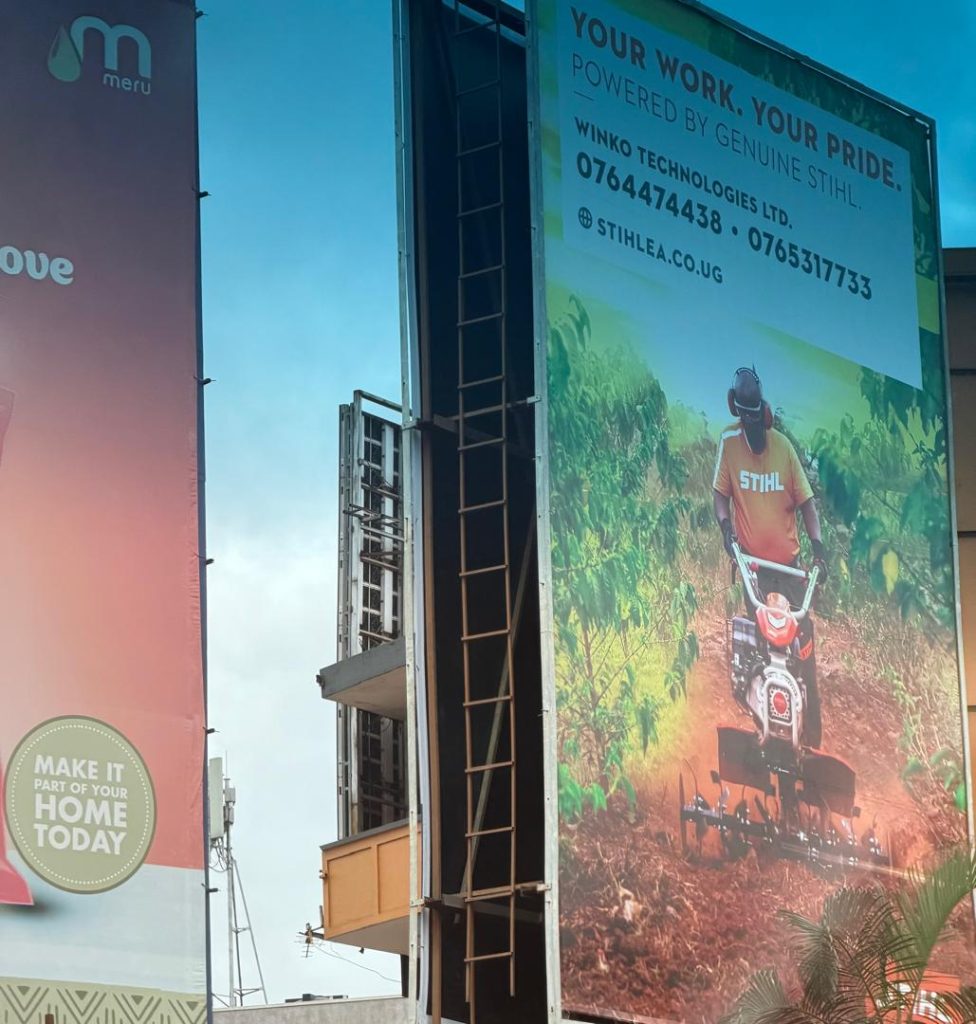
Before investing in a billboard, companies should carefully evaluate several important factors.
- Know Your Target Audience
The first question a company should ask is: Who do we want to reach?
A billboard should be placed where your target customers are likely to spend time or travel regularly.
For example, a luxury car dealership may benefit from a billboard along a major highway used by higher-income commuters, while a restaurant might get better results from a location close to shopping centers, offices, or entertainment areas.
Consider factors such as:
Age and income of your target audience
Where your customers live and work
Their commuting patterns
Their interests and lifestyles
Whether they are pedestrians, motorists, or public transport users
The busiest location is not necessarily the most valuable location. Audience relevance matters more than traffic volume alone.
- Evaluate Traffic Volume
Traffic is one of the most obvious factors when selecting a billboard location. A billboard on a road with thousands of vehicles passing every day has the potential to generate significant exposure.
However, companies should look beyond the headline traffic figure.
Consider:
Average daily traffic
Traffic during your target customers’ peak hours
Direction of traffic
Traffic speed
Whether vehicles frequently stop or slow down
Seasonal changes in traffic
A billboard near a traffic junction, for example, may offer an advantage because drivers spend more time in the area and have a greater opportunity to see the advertisement.
- Consider Visibility
A billboard may be located on a busy road and still perform poorly if people cannot see it clearly.
Before committing to a location, assess the billboard from the perspective of someone approaching it.
Look at:
Distance from the road
Viewing angle
Height
Obstructions such as trees, buildings, poles, or other billboards
Lighting conditions
Visibility during both daytime and nighttime
How long the billboard remains within the driver’s field of vision
A billboard that is clearly visible from a long distance gives drivers more time to recognize and understand the message.
- Think About Dwell Time
Not all impressions are equal.
A driver traveling at high speed past a billboard may only have a few seconds to see it. Someone stuck in traffic may have considerably more time to absorb the message.
Locations near traffic lights, roundabouts, intersections, toll points, congestion zones, and busy pedestrian areas can therefore be particularly valuable.
The longer people have to view an advertisement, the greater the opportunity for them to remember the brand and its message.
- Check the Direction of Travel
Companies sometimes overlook the importance of billboard orientation.
A billboard may be highly visible to traffic traveling in one direction but difficult to see for traffic traveling in the opposite direction.
Think about where your target audience is coming from and where they are going.
For example, if you are advertising a retail store, a billboard positioned along the route approaching the store could remind customers about the business just before they reach their destination.
- Study the Surrounding Environment
The area surrounding a billboard can influence how effective the advertisement becomes.
Consider what is around the location and whether it complements or competes with your message.
A billboard surrounded by attractive, well-maintained surroundings may create a different impression from one located in an overcrowded area with dozens of competing advertisements.
You should also consider nearby:
Shopping centers
Offices
Schools and universities
Residential neighborhoods
Hotels
Restaurants
Transport hubs
Tourist attractions
Competitors
The surrounding environment can help determine both the audience and the context in which your advertisement is viewed.
- Assess Competitor Presence
Take a look at what your competitors are doing in the same area.
If several competitors already dominate a particular route with large billboards, placing your advertisement there could either help you compete for attention or make it harder for your message to stand out.
In some cases, being close to competitors can be strategically useful. In others, choosing a less crowded location may give your brand greater visibility.
The key is to understand the advertising landscape before making a decision.
- Consider the Cost Per Impression
A billboard’s price should not be evaluated in isolation.
Instead of simply asking, “How much does this billboard cost?”, ask:
“How much am I paying to reach my target audience?”
A more expensive billboard may deliver significantly more valuable exposure than a cheaper billboard with poor visibility or an irrelevant audience.
Companies should compare locations based on factors such as:
Rental cost
Estimated impressions
Audience quality
Campaign duration
Visibility
Expected frequency of exposure
This helps businesses make decisions based on value rather than price alone.
- Check Local Regulations and Permissions
Before signing a contract, confirm that the billboard is properly permitted and complies with local advertising regulations.
Depending on the location, there may be rules concerning:
Billboard size
Height
Lighting
Digital displays
Road safety
Land use
Advertising content
Environmental considerations
A company should work with a reputable billboard operator and confirm that the required approvals and permits are in place.
- Consider the Billboard’s Condition
The physical condition of the billboard can affect your brand image.
A damaged structure, faded display, poor lighting, or neglected surroundings can make even a professionally designed advertisement look unappealing.
Visit the location in person if possible. Don’t rely solely on photographs provided by the billboard owner.
Seeing the site yourself can reveal important details that may not be obvious from a proposal or online listing.
- Think About Frequency
One of the major advantages of outdoor advertising is repeated exposure.
If your target customers use the same road every day, a strategically positioned billboard can expose them to your brand repeatedly.
This can be particularly useful for campaigns focused on:
Brand awareness
Product launches
Retail promotions
Corporate branding
Event promotion
Political or public campaigns
A location that reaches the same audience consistently may be more valuable than one that reaches a larger but less predictable audience.
- Make Sure the Location Supports Your Message
Your billboard location and your advertising message should work together.
For example, an advertisement for a hotel could be effective near an airport or major travel route. A billboard promoting a residential development could be positioned along a route used by people commuting toward the development.
Ask yourself:
Does the location make the message more relevant?
When location and message reinforce each other, the advertisement can become much more persuasive.
- Visit the Location at Different Times
A location can look very different depending on the time of day.
If possible, visit your potential billboard locations during:
Morning rush hour
Midday
Evening rush hour
Nighttime
Weekends
This allows you to understand actual traffic patterns, visibility, lighting, congestion, and audience behavior.
A billboard that appears ideal at midday might be poorly visible during the evening, or a road that seems quiet on a weekend could be extremely busy during the working week.
- Think Long-Term
A billboard location should fit into your broader marketing strategy.
If the campaign is successful, you may want to maintain the location for several months or return to it for future campaigns.
Consider whether the location can support your brand over time and whether the audience is likely to remain relevant.
Long-term consistency can also help build strong brand recognition.
Conclusion
Choosing a billboard location is a strategic marketing decision, not simply a real estate decision.
The best location combines high visibility, relevant audiences, strong traffic, sufficient viewing time, strategic positioning, and reasonable cost.
Before signing a billboard contract, companies should take the time to study the audience, traffic patterns, visibility, surrounding environment, competition, regulations, and overall return on investment.
Ultimately, the goal is not to find the busiest billboard location. It is to find the location where the right people are most likely to see, understand, and remember your message.
A well-chosen billboard location can turn a simple outdoor advertisement into a powerful brand-building asset. Contact us today to get your brand out there